
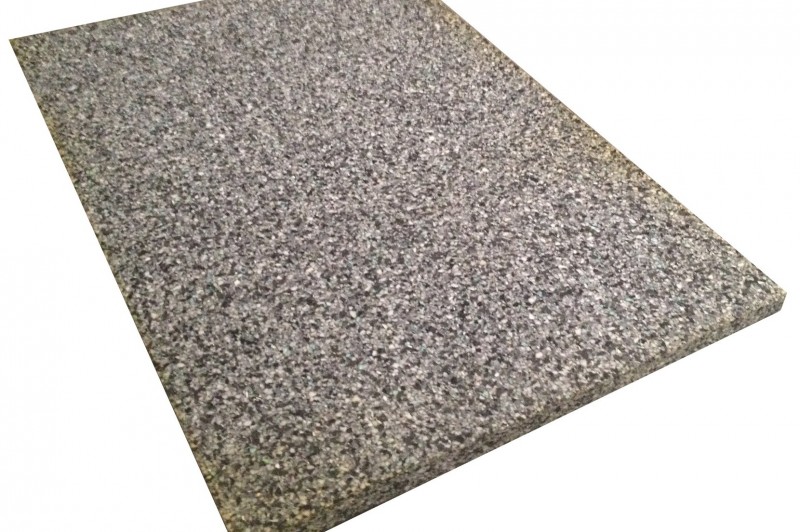
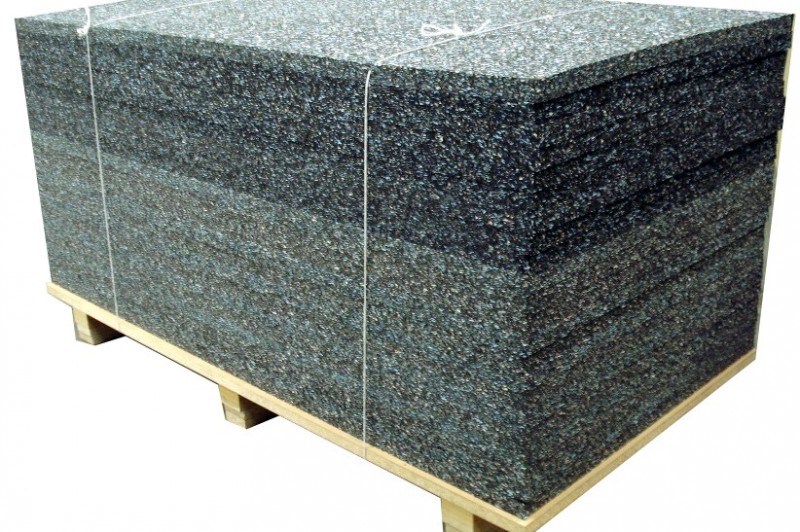
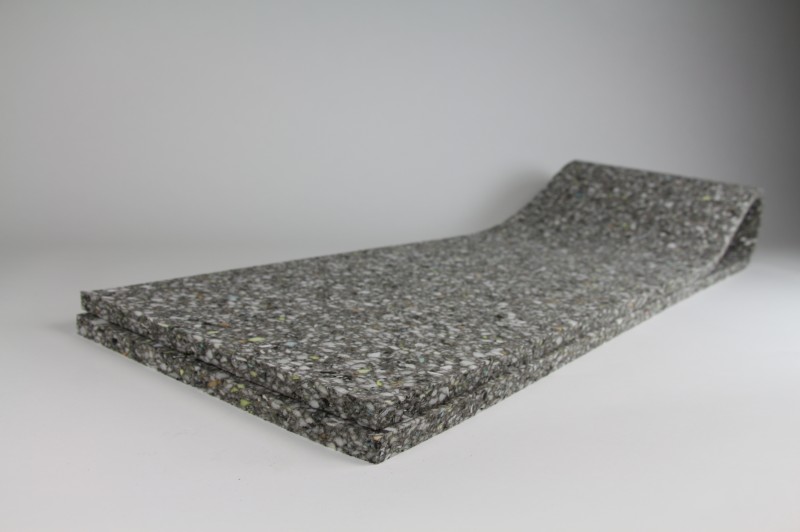
Thermal insulation foam
Widely used in construction and industry for its low thermal conductivity and ability to reduce energy losses and maintain stable temperatures.
- Low thermal conductivity
- High energy efficiency
- Lightweight and easy to install
- Stable and durable
What is thermal insulation foam?
A low-conductivity material that limits heat transfer between environments, maintaining stable temperatures in hot and cold conditions.
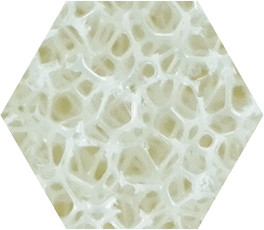
Polyurethane foams are highly efficient: their cellular structure traps air and reduces heat transfer, providing strong insulating performance.
Thermal conductivity of different materials
Indicative thermal conductivity values, λ in W/(m·K). Lower values mean better insulation. Polyurethane offers high performance compared with common building materials.
Benefits of foam insulation
- High energy efficiency: reduces heat loss
- Lightweight, easy to install and adapt
- Versatility: construction, industry, installations and equipment
- Stable, lasting insulation properties
Where it is used
Insulation for walls, ceilings, floors and enclosures.
Thermal control of machinery, equipment and production processes.
Insulation for ducts, air conditioning and technical equipment.
Reduced heat transfer in vehicles and components.
Improved performance where temperature control is essential.
Technical insulation foams
Have a project in mind?
Tell us what you need and our technical team will recommend the ideal material and format, with a tailored quotation.