
Memory foam
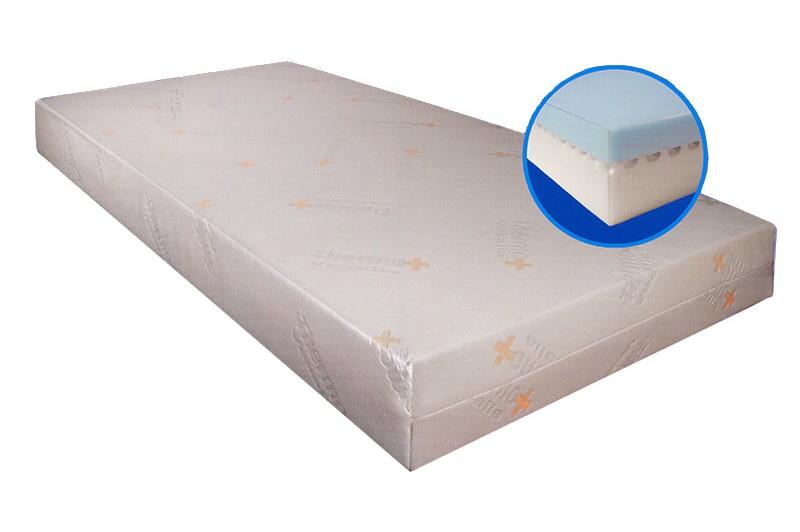
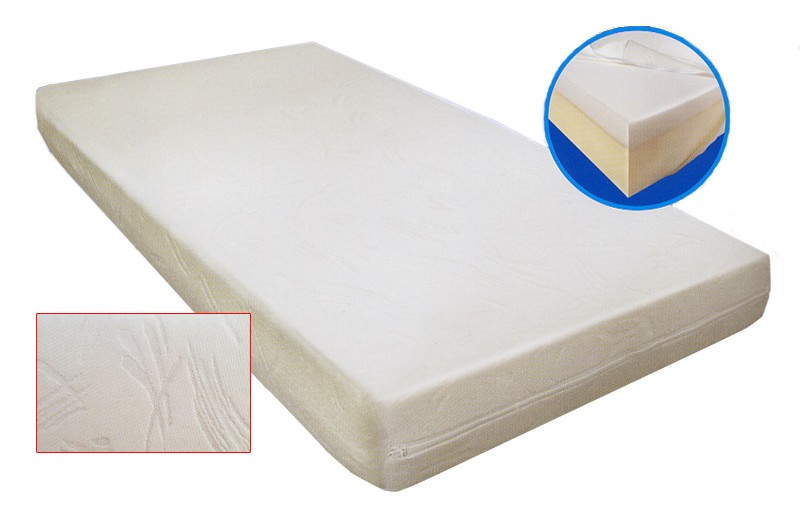
Known as memory foam, it adapts to the body and reduces pressure points. It responds to temperature and weight.
- Gradual adaptation to the body
- Distributes pressure points
- Memory effect
- Motion isolation
What is memory foam?
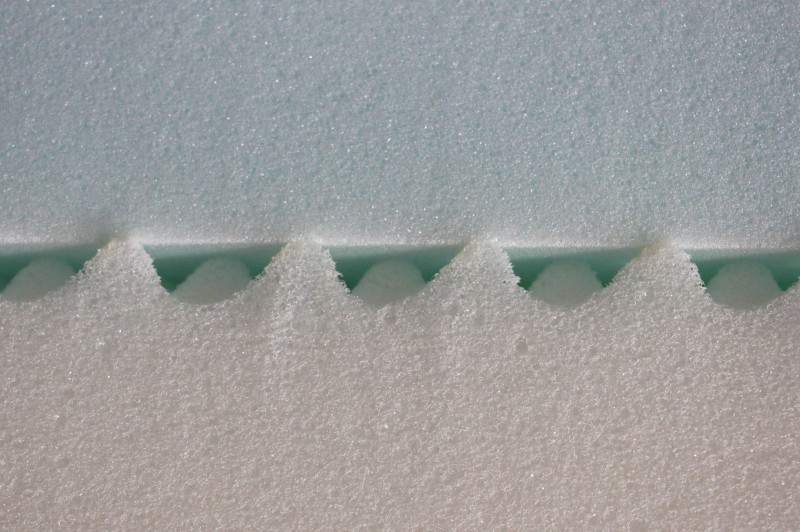
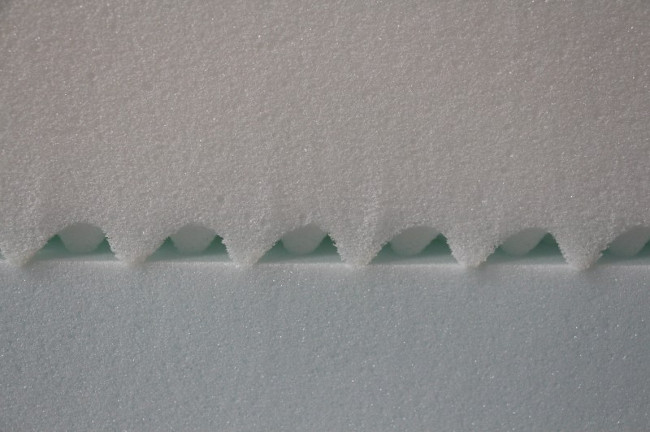
An open-cell material combining viscosity and elasticity. This creates a slow response to pressure and precise adaptation to body contours.
A key feature is its temperature response: heat makes it more adaptable and flexible, while cold makes it firmer and more rigid.
Properties designed for comfort
- Body adaptation: distributes weight evenly
- Pressure redistribution and greater comfort
- Memory effect: slowly returns to its original shape
- Temperature sensitivity: responds to body heat
- Motion isolation on shared surfaces
Variants by application
For rest and general comfort applications.
Greater durability and more gradual adaptation for intensive use.
With high resilience: better support and recovery for seats and sofas.
Specific formulations to reduce prolonged pressure in healthcare applications.
Where it is used
Mattresses, pillows, toppers and ergonomic sleep systems.
Patient support surfaces, pressure ulcer reduction and orthopaedic applications.
Seats, backrests and comfort solutions for sofas and armchairs.
Components requiring pressure absorption and adaptability.
Have a project in mind?
Tell us what you need and our technical team will recommend the ideal material and format, with a tailored quotation.